
The medical device used in millions of pelvic exams worldwide hasn’t seen meaningful innovation in nearly two centuries. Now, two brilliant women engineers from the Netherlands are finally changing that story.
The Problem: When Medical Tools Cause More Fear Than Healing
Research shows that 30-35% of women experience significant pain or distress during exams with traditional speculums. This fear isn’t just uncomfortable; it’s dangerous. Many women delay or skip crucial screenings for cervical cancer and other reproductive health issues because they dread the experience.
The current design, known as the Cusco speculum, looks more like a medieval torture device than a modern medical tool. Its cold metal construction and aggressive “duckbill” shape haven’t evolved much since its invention in the 1800s. Even more troubling, early versions were developed through unethical experiments on enslaved women without their consent, a dark history that still impacts how many women view gynecological care today.
Meet the Game-Changers: Two Engineers on a Mission
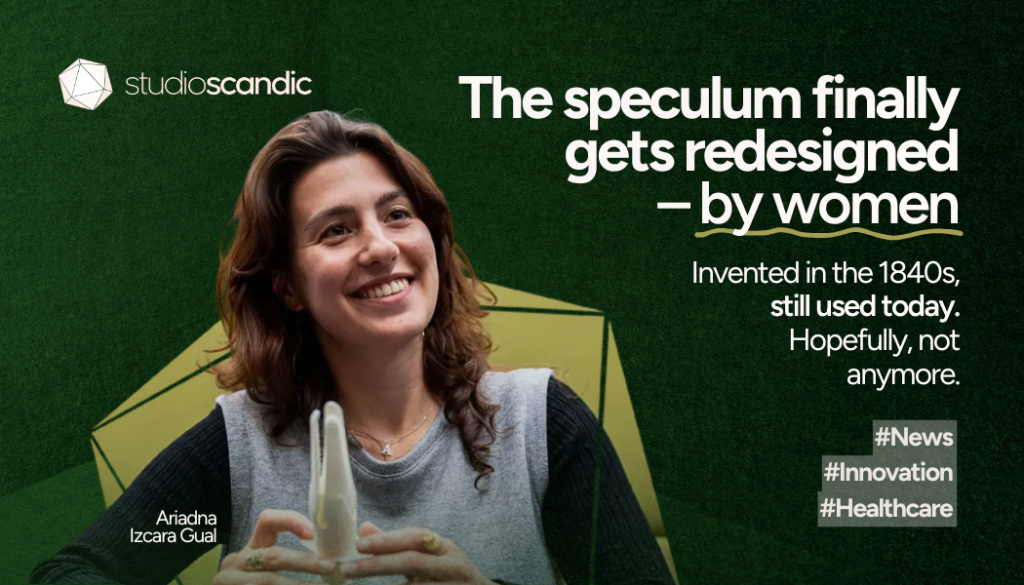
Enter Tamara Hoveling and Ariadna Izcara Gual, two design engineers at Delft University of Technology who decided enough was enough. Instead of accepting that pelvic exams “just have to be uncomfortable,” they asked a revolutionary question: “What if we designed this tool with women’s comfort and dignity in mind?”
Their answer is Lilium, a complete reimagining of the speculum that’s as beautiful as it is functional.
Lilium: Where Engineering Meets Empathy
Forget everything you think you know about speculums. Lilium looks nothing like the intimidating metal instruments currently used in clinics worldwide. Instead, this innovative device draws inspiration from nature, specifically, the gentle opening of a lily flower.
What Makes Lilium Different?
Soft, Body-Friendly Materials: Made from medical-grade TPV rubber, Lilium feels completely different against the body. No more cold metal shock or rigid edges.
Intuitive Design: The device features three soft “petals” that open gently, mimicking the natural bloom of a flower. This isn’t just prettier, it’s biomechanically smarter, working with the body rather than against it.
Patient Empowerment: Perhaps most importantly, women can insert Lilium themselves, similar to using a tampon. This simple change gives patients more control over their experience and can significantly reduce anxiety.
Streamlined Construction: While traditional speculums can have up to nine separate components, Lilium uses just two main parts, making it easier to clean, sterilize, and manufacture sustainably.
Real Results: What Healthcare Providers Are Saying
Lilium isn’t just a feel-good concept, it’s delivering measurable improvements in clinical settings. Healthcare professionals testing the device report several key advantages:
- Better visibility for medical examinations, especially in patients where traditional tools struggle
- Reduced need for manual manipulation during exams, minimizing discomfort
- Improved patient cooperation due to increased comfort levels
- Faster, more efficient examination process overall
Most telling of all? In early testing phases, 100% of participants preferred Lilium over traditional speculums. That’s not just improvement, that’s transformation.
From Crowdfunding Success to Clinical Reality
The public response to Lilium has been extraordinary. When Hoveling and Gual launched their crowdfunding campaign, they raised over €100,000 in just two days, a clear signal that women worldwide are desperate for better options in reproductive healthcare.
But turning a brilliant prototype into a widely available medical device requires navigating complex regulatory pathways. The team is now working through safety certifications, clinical trials, and manufacturing partnerships to bring Lilium to healthcare providers globally.
Why This Innovation Matters More Than You Think
The Lilium speculum represents something much bigger than a single product improvement. It’s a fundamental shift in how we approach medical device design, particularly for women’s health.
For too long, medical tools have been designed primarily with clinical efficiency in mind, often ignoring patient experience and comfort. Lilium proves that we don’t have to choose between effective medical care and patient dignity, we can have both.
As Ariadna Izcara Gual explains, “We can make pelvic examinations safer and more pleasant and help patients feel more self-confident.” This philosophy could revolutionize not just gynecological care but medical device design across all specialties.
The Bigger Picture: Designing Healthcare Around Human Needs
The story of Lilium highlights a crucial gap in medical innovation. While we’ve made incredible advances in areas like surgical robotics and diagnostic imaging, basic patient-facing tools have remained largely unchanged for decades or even centuries.
This redesign comes at a critical time. Healthcare providers are increasingly recognizing that patient experience directly impacts health outcomes. When people avoid necessary medical care due to fear or discomfort, everyone loses—patients, providers, and the healthcare system as a whole.
Looking Forward: A New Era in Medical Device Design
Lilium represents the beginning of what could be a major transformation in how we design medical tools. By prioritizing patient comfort, autonomy, and dignity alongside clinical effectiveness, engineers like Hoveling and Gual are showing us what’s possible when we truly center human needs in healthcare innovation.
The success of their crowdfunding campaign proves there’s massive demand for more thoughtful, empathetic medical devices. As Lilium moves through regulatory approval and toward widespread availability, it may inspire a new generation of medical innovators to ask the same revolutionary question: “How can we make this better for the people who actually have to use it?”
The speculum’s 200-year reign of discomfort may finally be coming to an end. And for millions of women worldwide, that change can’t come soon enough.
Stay updated on innovations by following our blog. The future is being written by innovators who refuse to accept “that’s just how it’s always been done” as an answer.
Read more:



Leave a Reply